




How to Care for Gold and Sterling Silver Jewelry — A Complete Guide
How to Care for Gold and Sterling Silver Jewelry — A Complete Guide
You've found the perfect piece of jewelry — real gold or sterling silver, beautifully made, exactly right for the person wearing it. Now the question is how to keep it looking that way for years, decades, and generations to come.
The good news is that caring for quality jewelry doesn't require expensive products or complicated routines. It requires understanding what your jewelry is made from, what affects it, and a few simple habits that become second nature over time.
At Massete, we've been crafting real gold and sterling silver jewelry since 2011. In this guide we'll walk you through everything you need to know to keep your pieces looking their absolute best — for a lifetime.
Understanding Your Jewelry — Gold vs Sterling Silver
Before we get into care routines it helps to understand what you're working with. Gold and sterling silver behave differently and respond to different care approaches.
Gold — 10k, 14k, and 18k
Gold in its pure form (24k) is completely inert — it doesn't tarnish, rust, or corrode. The reason jewelry gold comes in 10k, 14k, and 18k is that pure gold is too soft for everyday wear. These lower karats mix gold with other metals — copper, silver, zinc — to add strength and durability.
The higher the karat the more pure gold the piece contains:

-
10k gold — 41.7% pure gold — most durable, most affordable
- 14k gold — 58.5% pure gold — the most popular choice, ideal balance of purity and durability
-
18k gold — 75% pure gold — most luxurious, slightly softer
The small percentage of other metals in lower karat gold is what makes occasional cleaning necessary — but it also means your gold jewelry is built to last through decades of daily wear with minimal maintenance.
Sterling Silver 925
Sterling silver is 92.5% pure silver — hence the 925 hallmark you'll see stamped on genuine sterling silver pieces. The remaining 7.5% is typically copper, which gives silver its strength and workability.
Unlike gold, sterling silver does tarnish over time. Tarnish is a natural chemical reaction between the silver and sulfur compounds in the air. It's not damage — it's chemistry — and it's completely reversible with proper cleaning.
Rhodium Plated Sterling Silver
Many Massete sterling silver pieces feature a rhodium plating finish. Rhodium is a precious metal from the platinum family that gives silver a brilliant white shine and significantly slows tarnishing by creating a barrier between the silver and the air.
Rhodium plated pieces need slightly different care than unplated silver — specifically, you want to avoid abrasive cleaning methods that could wear away the plating.
The Golden Rules of Jewelry Care
Before we get into specific cleaning methods, here are the habits that make the biggest difference in keeping your jewelry beautiful:
Last On, First Off
Put your jewelry on last — after applying perfume, hairspray, sunscreen, and lotion. Take it off first when you come home — before washing your hands, cooking, or changing clothes.
Why it matters: perfume, hairspray, and skincare products contain chemicals and alcohol that can dull the finish of both gold and silver over time. Building the habit of jewelry last, jewelry first takes about a week to become automatic — and makes a significant difference over months and years.
Remove Before Water Activities
Take your jewelry off before swimming in pools, hot tubs, or the ocean. Chlorine is particularly harsh on both gold alloys and silver — it can cause pitting and discoloration on gold and accelerate tarnishing on silver. Saltwater is similarly corrosive over time.
A quick rinse in fresh water after accidental exposure won't cause lasting damage — but regular swimming with your jewelry on will shorten its lifespan significantly.
Remove Before Physical Activities
Take off bracelets and rings before gardening, cleaning, or any activity that involves contact with harsh chemicals or abrasive surfaces. Even seemingly mild household cleaners can contain bleach or ammonia that damages jewelry finishes.
Store Separately
Jewelry stored jumbled together scratches itself. Keep pieces in individual pouches, compartments, or the original gift boxes they came in. This is especially important for gold pieces — even though gold is durable, it can scratch against other metals.
How to Clean Gold Jewelry

Gold jewelry is relatively easy to clean and responds beautifully to gentle home cleaning. Here's exactly how to do it:
Everyday Cleaning — Warm Soapy Water
This is your go-to method for routine cleaning — safe for all gold karats and most gold jewelry including pieces with gemstones.
What you need:
- A small bowl
- Warm water — not hot
- A few drops of mild dish soap — fragrance free is ideal
- A soft toothbrush — baby toothbrushes are perfect
- A soft lint-free cloth
How to do it:
- Fill the bowl with warm water and add a few drops of dish soap
- Place your gold jewelry in the water and let it soak for 15-20 minutes
- Use the soft toothbrush to gently scrub around settings, chains, and any textured areas
- Rinse thoroughly under warm running water — cover the drain
- Pat dry with a soft cloth
- Allow to air dry completely before storing
Do this every 2-4 weeks for jewelry worn daily and your gold pieces will maintain their shine indefinitely.
Deep Cleaning — Stubborn Buildup
For jewelry that has accumulated significant buildup — particularly rings and bracelets worn constantly — a slightly stronger approach works well.
What you need:
- The same warm soapy water solution
- A few drops of ammonia-free glass cleaner — like Windex without ammonia
- Soft toothbrush
Add a few drops of ammonia-free glass cleaner to your warm soapy water and proceed as above. The glass cleaner helps cut through body oil and product buildup without harming the gold.
Never use:
- Ammonia-based cleaners — can damage gold alloys
- Bleach or chlorine — serious damage to gold
- Ultrasonic cleaners on pieces with gemstones — vibrations can loosen settings
- Abrasive cleaners or scrubbing pads — will scratch the surface
- Toothpaste — too abrasive for gold
Professional Cleaning
Even with regular home cleaning, a professional clean and polish from a jeweler every 1-2 years makes a noticeable difference. A jeweler can also check prong settings, clasps, and chains for wear that you might miss at home — catching small issues before they become lost stones or broken chains.
How to Care for Engraved Gold Pieces
Your engraved ID bracelets, pendants, and other personalized pieces deserve a little extra care to keep the engraving looking sharp and legible for years.

Do:
- Clean regularly with the warm soapy water method — gentle brushing actually keeps engraving looking crisp by removing buildup from the recessed lettering
- Pat completely dry after cleaning — moisture trapped in engraved grooves can affect the finish over time
- Store flat or in a padded compartment to protect the engraved surface from scratching
Avoid:
- Abrasive polishing cloths directly over the engraved area — can blur the lettering over time
- Harsh chemical cleaners — can affect the finish of engraved surfaces
- Ultrasonic cleaners — vibrations can affect deeply engraved pieces
How to Clean Sterling Silver Jewelry
Sterling silver requires slightly more attention than gold — primarily because of tarnishing. But tarnish is not damage, it's chemistry — and it cleans off beautifully with the right approach.

Preventing Tarnish
The best tarnish management is prevention. Here's what accelerates tarnishing and how to avoid it:
Tarnish accelerators:
- Humidity and moisture
- Exposure to perfume, hairspray, and beauty products
- Sulphur-containing foods like eggs and onions — particularly relevant for rings worn while cooking
- Rubber — never store silver touching rubber bands or rubber-lined drawers
- Wool — the lanolin in wool can cause tarnishing
Tarnish preventers:
- Anti-tarnish strips in your jewelry storage — small chalk-like strips that absorb sulphur compounds from the air
- Airtight storage — zip-lock bags work surprisingly well for silver pieces you don't wear daily
- Silica gel packets in your jewelry box — absorb moisture
- Wearing your silver regularly — the friction of wearing actually slows tarnishing
Cleaning Lightly Tarnished Silver — Warm Soapy Water
For light tarnish — silver that looks slightly dull or has lost some of its brightness — the same warm soapy water method used for gold works well.
Follow the same steps as gold cleaning above — warm water, mild dish soap, soft toothbrush, thorough rinse, dry completely.
Cleaning Moderately Tarnished Silver — Baking Soda Paste
For silver that has developed visible tarnish — a yellowish or darkening discoloration — a baking soda paste is highly effective.
What you need:
- Baking soda
- Water
- Soft cloth or soft toothbrush
How to do it:
- Mix baking soda with a small amount of water to form a paste — about the consistency of toothpaste
- Apply the paste to your silver with a soft cloth or toothbrush
- Gently rub in a back-and-forth motion — never circular, which can cause micro-scratches
- Rinse thoroughly under warm water
- Dry completely with a soft cloth
This method works beautifully for plain sterling silver but should be used with caution on rhodium plated pieces — the mild abrasiveness can wear away plating over time.
Cleaning Heavily Tarnished Silver — Aluminium Foil Method
For silver that has gone significantly dark — almost black in places — the aluminium foil method is remarkably effective and completely safe.
What you need:
- A bowl or baking dish lined with aluminium foil — shiny side up
- Boiling water
- 1 tablespoon of baking soda per cup of water
- 1 tablespoon of salt per cup of water
How to do it:
- Line your bowl with aluminium foil shiny side up
- Place your silver jewelry on the foil — make sure it's touching the foil
- Dissolve baking soda and salt in boiling water and pour over the jewelry
- Watch the tarnish transfer from your jewelry to the foil — it happens before your eyes
- Leave for 5-10 minutes depending on the level of tarnish
- Remove with tongs — it will be hot
- Rinse thoroughly and dry completely
How it works: This creates an electrochemical reaction that transfers the silver sulfide tarnish from your jewelry to the aluminum foil. It's the same science used in professional silver cleaning — just done at home.
Important: Do not use this method on silver with gemstones, pearls, or coral — the hot water and chemical reaction can damage these stones.
Caring for Rhodium Plated Sterling Silver
Rhodium plated pieces need a gentler approach than unplated silver — the goal is to clean without wearing away the plating.
Do:
- Clean with warm soapy water and a very soft cloth — no brushing
- Dry thoroughly after every wear — especially around clasps and settings
- Store in an anti-tarnish pouch
Avoid:
- Baking soda paste — too abrasive for rhodium plating
- Aluminium foil method — not suitable for plated pieces
- Silver polishing cloths — contain mild abrasives that wear away plating
- Ultrasonic cleaners
When the rhodium plating eventually wears away on high contact areas — which is natural and expected over years of wear — the piece can be re-plated by a local jeweler. Re-plating is inexpensive and restores the piece to its original appearance.
How to Care for Silver Enamel Jewelry
Our UnicornJ enamel collection — the butterfly charm bracelets, enamel heart bangles, enamel stud earrings, and dancer pendants — requires gentle care to keep the enamel looking vivid and beautiful.

Do:
- Clean with a damp soft cloth — wipe gently
- Dry thoroughly after cleaning
- Store in a padded compartment to protect the enamel surface
Avoid:
- Soaking in water — prolonged water exposure can affect enamel adhesion over time
- Harsh chemicals or cleaning solutions
- Ultrasonic cleaners — vibrations can crack or loosen enamel
- Abrasive cleaning — can dull and scratch enamel surfaces
- Dropping on hard surfaces — enamel can chip on impact
How to Store Your Jewelry
Proper storage is half the battle in keeping jewelry looking beautiful. Here's exactly how to store different pieces:

Necklaces and Chains
Hang necklaces individually on a jewelry stand or hook — never store chains coiled or tangled together. Tangled chains can kink and break, and the process of untangling them causes wear. If you must store chains flat, keep each one in its own small zip-lock bag or pouch.
Earrings
Store pairs together — ideally in a compartmentalized jewelry box or on an earring card. Keeping pairs together means you'll never lose one and the backs stay with the earrings. Our EZback and screwback earring backs are small and easily lost — keeping them with the earrings at all times prevents this.
Bracelets and Bangles
Store flat or in individual pouches. Our UnicornJ expandable wire bangles and charm bracelets should be stored away from other metal pieces to prevent scratching the enamel charms.
Rings
Store rings in individual compartments or pouches — rings scratch each other surprisingly easily. Gold rings in particular develop micro-scratches over time when stored together.
Long Term Storage
For pieces you're not wearing regularly:
- Clean thoroughly before storing — oils and residue accelerate tarnishing and corrosion during storage
- Place in individual anti-tarnish pouches or zip-lock bags
- Add a small silica gel packet to absorb moisture
- Store in a cool, dry place away from direct sunlight
- Check occasionally — take pieces out, examine them, wear them briefly. Jewelry benefits from occasional wear.
Caring for Baby and Children's Jewelry
Children's jewelry — particularly pieces worn by babies and toddlers — needs frequent gentle cleaning because it comes into contact with milk, food, and the natural oils and moisture of baby skin.

For baby earrings:
- Clean weekly with warm soapy water and a very soft cloth
- Pay particular attention to the area around the earring post and behind the ear
- Check screwbacks weekly to make sure they're secure
- Remove during bath time for very young babies — reinsert with clean hands after
For children's bracelets:
- Remove before meals and messy play
- Clean with warm soapy water after exposure to sand, food, or sunscreen
- Check clasps regularly for wear
- Make sure the bracelet fits correctly — not too tight to restrict circulation, not so loose it catches on things

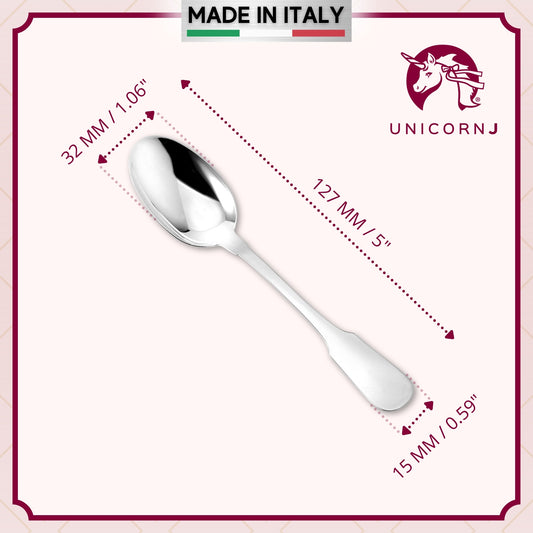
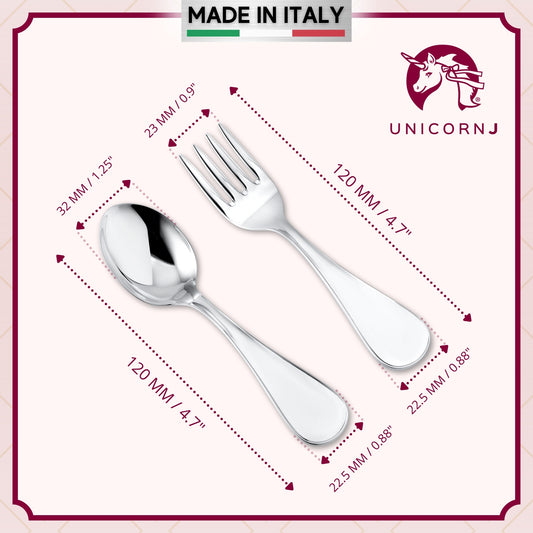
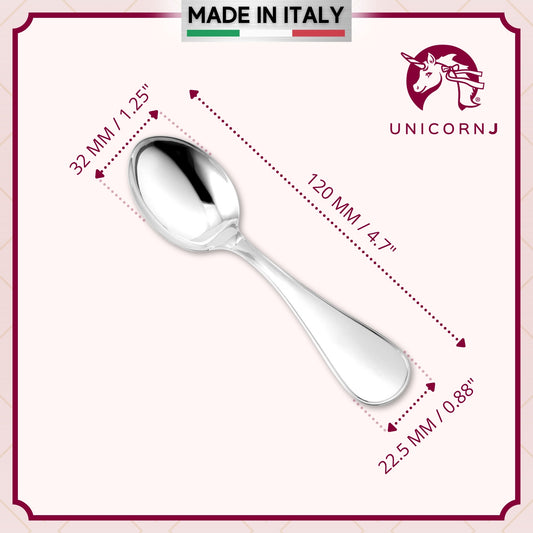
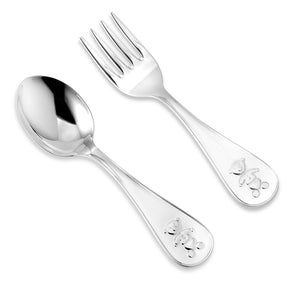
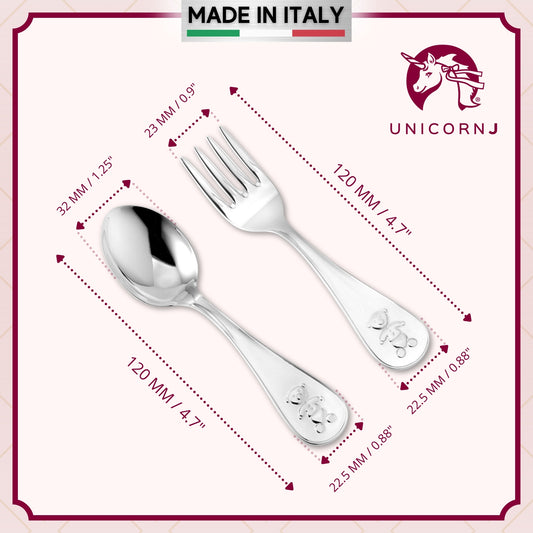
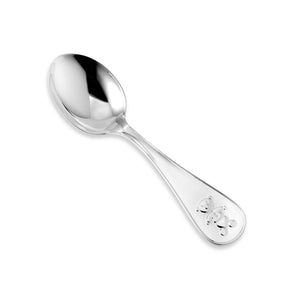
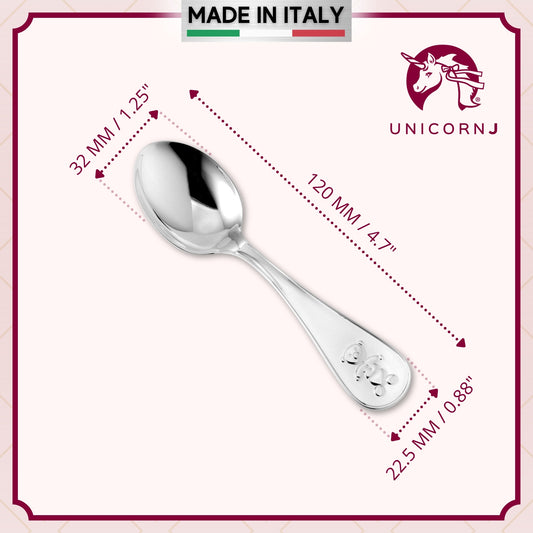
For baby keepsakes — spoons, rattles, picture frames:
- Clean with warm soapy water when needed
- Dry thoroughly — moisture in engraved areas can affect the finish
- Display away from direct sunlight which can affect silver over time
- Polish gently with a soft silver polishing cloth for display pieces
Quick Reference — What to Do and What to Avoid
Gold Jewelry
Do:
- Clean regularly with warm soapy water
- Dry thoroughly after cleaning
- Store in individual pouches or compartments
- Remove before swimming, exercising, and cleaning
- Get professionally cleaned every 1-2 years
Don't:
- Use toothpaste — too abrasive
- Use bleach or chlorine — causes damage
- Use ammonia-based cleaners
- Store in direct sunlight
- Wear in pools or hot tubs
Sterling Silver

Do:
- Clean regularly with warm soapy water for light tarnish
- Use baking soda paste for moderate tarnish
- Use the aluminium foil method for heavy tarnish
- Store in anti-tarnish pouches
- Use anti-tarnish strips in your jewelry box
- Wear regularly — it helps prevent tarnish
Don't:
- Store near rubber
- Expose to perfume and hairspray
- Leave wet — dry thoroughly after every wear
- Use abrasive polishing on rhodium plated pieces
- Store in humid environments
Enamel Jewelry
Do:
- Clean gently with a damp soft cloth
- Store in padded compartments
- Handle carefully to avoid dropping
Don't:
- Soak in water
- Use ultrasonic cleaners
- Use abrasive cleaning methods
- Expose to harsh chemicals
When to See a Jeweler
Even with perfect home care, some situations call for professional attention:

- A prong looks bent or a stone feels loose — take it to a jeweler immediately before the stone is lost
- A clasp isn't closing securely — a jeweler can repair or replace clasps inexpensively
- A chain has a kink or weak link — better to repair early than have it break and lose the pendant
- Rhodium plating is visibly worn — re-plating restores the piece beautifully
- Engraving is becoming hard to read — a jeweler can sometimes re-engrave or clean deep-set engraving
- Annual checkup — a quick professional inspection every year catches small issues before they become expensive problems
Why Quality Materials Make Care Easier
One of the most important things we tell customers at Massete is this: caring for quality jewelry is significantly easier than caring for cheap jewelry — because quality jewelry is designed to last.
Solid 14k gold doesn't flake, chip, or change color no matter how carefully you clean it. Sterling silver 925 tarnishes but never deteriorates — the silver is the silver, through and through, and it cleans back to beautiful every time.
The challenge with plated or costume jewelry is that cleaning is a catch-22 — the more you clean it, the more the plating wears away, and the faster it deteriorates. With solid gold or sterling silver there's no such limitation. You can clean it as often as needed and it only looks better.
This is one of the reasons we've always insisted on real materials at Massete. Solid gold and sterling silver aren't just more beautiful — they're easier to own for a lifetime.
Frequently Asked Questions — Jewelry Care
How often should I clean my gold jewelry?
For gold jewelry worn daily — earrings, bracelets, and rings — clean every 2-4 weeks using warm soapy water and a soft toothbrush. Pieces worn occasionally can be cleaned every 1-3 months or whenever they start to look dull.
Does real gold tarnish?
Solid gold does not tarnish the way silver does. However lower karat gold — 10k and 14k — can develop a slight dulling over time due to the other metals in the alloy. This cleans off easily with warm soapy water. 18k gold tarnishes least of all due to its higher gold content.
How do I remove tarnish from sterling silver at home?
For light tarnish use warm soapy water and a soft toothbrush. For moderate tarnish use a baking soda paste applied with a soft cloth — rub in a back and forth motion, never circular. For heavy tarnish use the aluminium foil method — line a bowl with foil shiny side up, place your silver on the foil, pour boiling water mixed with baking soda and salt over it, and watch the tarnish transfer to the foil.
Can I clean rhodium plated sterling silver the same way as regular silver?
No — rhodium plated pieces need gentler care than unplated silver. Use only warm soapy water and a very soft cloth — never brush. Avoid baking soda paste, the aluminium foil method, and silver polishing cloths as these can wear away the rhodium plating over time.
Is it safe to wear gold jewelry in the shower?
Occasional exposure to water won't damage solid gold — but regular showering with jewelry on is not recommended. Soap and shampoo can build up around settings and clasps, and the combination of moisture and heat over time can dull the finish. Remove jewelry before showering as a general rule.
Can I wear sterling silver jewelry every day?
Yes — sterling silver 925 is durable enough for everyday wear. In fact wearing silver regularly actually helps prevent tarnishing because the friction of wear keeps the surface polished. Just make sure to remove it before swimming, exercising, and applying beauty products.
How do I store jewelry to prevent tarnishing?
Store sterling silver in individual anti-tarnish pouches or airtight zip-lock bags with a small silica gel packet to absorb moisture. Never store silver near rubber or in humid environments. For gold, individual pouches or compartments prevent scratching.
What is rhodium plating and does it wear off?
Rhodium is a precious metal from the platinum family applied over sterling silver to enhance shine and slow tarnishing. Yes — rhodium plating does naturally wear away over time in areas of high contact, which is completely normal. When this happens the piece can be professionally re-plated by a local jeweler to restore its original appearance.
How do I clean baby and children's jewelry safely?
Use warm water with a few drops of mild dish soap and a very soft cloth — never a brush on delicate baby pieces. Clean baby earrings weekly, paying attention to the area around the post. Always dry completely before putting jewelry back on a child and check screwbacks weekly to ensure they remain secure.
When should I take my jewelry to a professional jeweler?
Take your jewelry to a jeweler if you notice a loose stone, a bent prong, a clasp that won't close securely, a weak link in a chain, or visibly worn rhodium plating. An annual professional inspection is also recommended for pieces worn daily — a jeweler can catch small issues before they become expensive problems.
Can I use toothpaste to clean gold jewelry?
No — toothpaste is too abrasive for gold jewelry and can cause micro-scratches on the surface. Use warm soapy water and a soft toothbrush instead. The same applies to sterling silver — toothpaste should never be used on any fine jewelry.
How do I care for enamel jewelry?
Clean enamel pieces with a damp soft cloth — never soak them in water as prolonged exposure can affect the enamel adhesion over time. Avoid ultrasonic cleaners, abrasive cleaning methods, and harsh chemicals. Store in padded compartments and handle carefully to avoid dropping — enamel can chip on impact.
Final Thoughts
Caring for your jewelry doesn't need to be complicated. A few simple habits — cleaning regularly with warm soapy water, storing pieces properly, taking them off before swimming and cleaning — make the vast majority of the difference.
The jewelry you buy today, cared for properly, can be worn by your children and grandchildren. A 14k gold ID bracelet engraved with a name, a baby's first earrings, a personalized heart pendant — these pieces outlast their moments and become part of a family's story.
At Massete, we make pieces worth keeping. We hope this guide helps you keep them beautifully.

Shop Our Full Collection at Massete.com
Have questions about caring for a specific Massete piece? Email us at hello@massete.com — the Massete family is always happy to help.